Iron ranks among the most common nuisance problems facing private well owners, and Quality Water Treatment is outlining how homeowners can match an iron filter to the specific chemistry of their well water. In most wells, iron exists as dissolved ferrous iron, which keeps the water looking clear at the tap until it meets air and turns red or brown. That reaction leaves rust-colored stains on fixtures, toilets and laundry, and staining can begin at concentrations as low as 0.3 milligrams per liter. Manganese and hydrogen sulfide, the source of a rotten-egg odor, frequently appear alongside it.
Because the correct treatment depends on what is actually present in the water, the company emphasizes that testing comes first. Measuring iron, manganese, sulfur, pH and hardness establishes the profile needed to select an appropriate system rather than relying on guesswork.
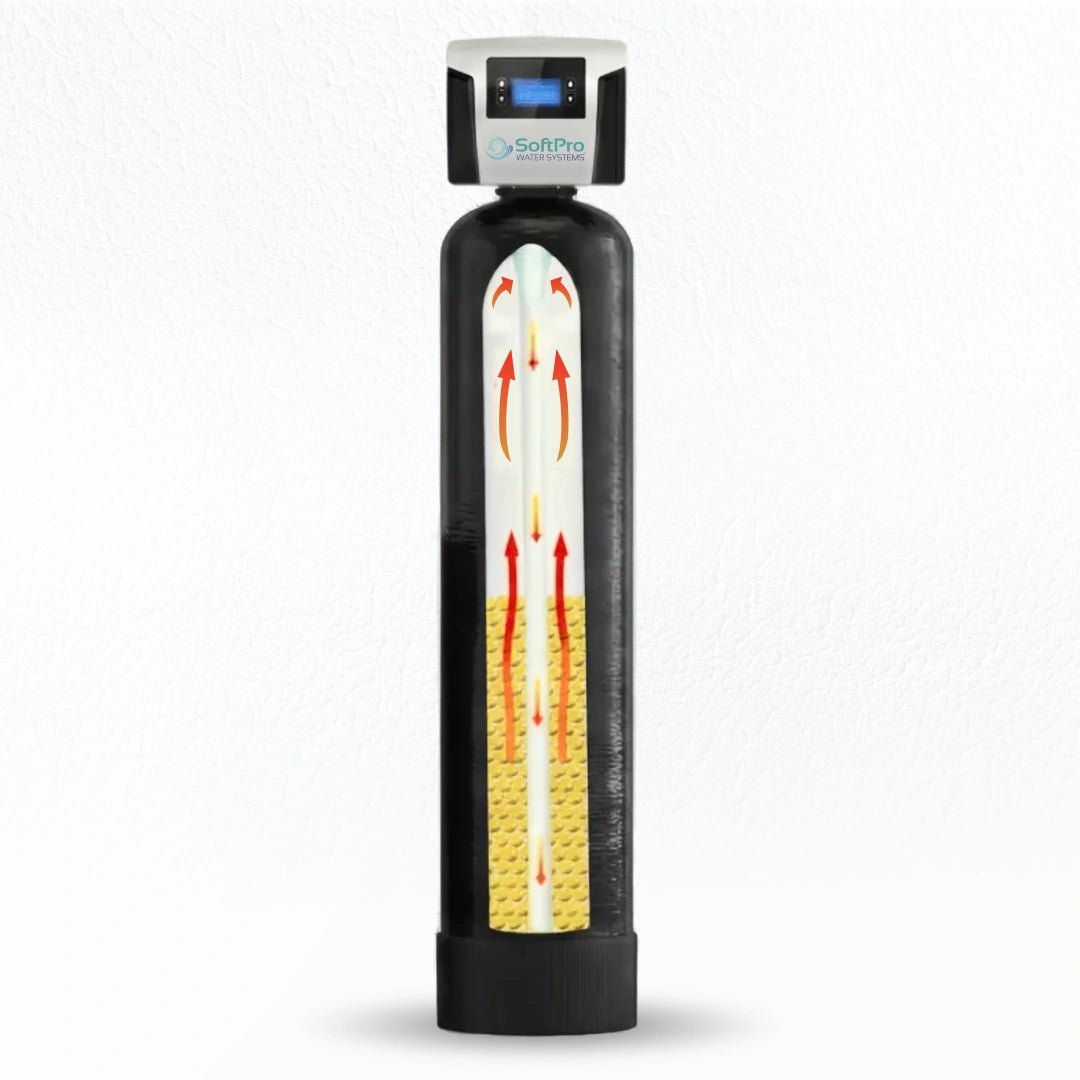
The company's iron filter collection spans several technologies. The lineup includes the SoftPro AIO Iron Master, which uses air injection oxidation and operates without chemicals, along with the Fleck Terminator, which also relies on air injection. Other options include a Fleck 2510 greensand system that uses potassium permanganate, Fleck Birm filters in 5600 and 2510 SXT configurations, and a Triple O ozone well water system.
According to Quality Water Treatment, the matching process follows clear logic. Oxidizing filters suit water with iron, manganese and sulfur that produces orange or black stains or a rotten-egg smell. A Birm filter suits iron and manganese without odor, but only when pH is 7.0 or higher with enough dissolved oxygen. Acidic water generally needs a calcite pH neutralizer first or a different type of iron filter. The company describes the Quality Water Treatment Iron Filter known as the Iron Master as a chemical-free, air injection oxidation system that reduces iron, manganese and hydrogen sulfide, with an average media life of eight to ten years before replacement.
Sizing is the key practical step. A backwashing filter needs enough flow to lift and rinse its media bed, so a system is sized by the well pump's flow rate in gallons per minute rather than by house size. The company suggests timing how long the pump takes to fill a five-gallon bucket as a simple flow rate test. Undersizing can lead to poor cleaning and iron bleed-through.
"Well owners are often surprised that the right iron filter has far more to do with pump flow and water chemistry than with the size of the home," said a representative for Quality Water Treatment. "Testing the water and checking the flow rate before buying prevents most of the problems people run into."
A backwashing system also requires a drain able to handle backwash flow, a standard outlet for the control valve, and adequate pump flow, with backwash typically running automatically overnight. The company notes that a sulfur smell appearing only in hot water may point to the water heater's anode rod rather than the well. On wells with both iron and hardness, an iron filter generally goes ahead of a water softener, since high iron can foul softener resin. The QWT Iron Filter collection and further guidance are available at their website.
https://www.youtube.com/watch?v=CoTqy0_XaAE
Craig "The Water Guy" Phillips founded Quality Water Treatment in 1990, and the company has focused on well and surface water with high iron, manganese and sulfur since then. It offers well water test kits, a free water analysis and sizing report, and consultation by phone, chat and email. More information can be found at qualitywatertreatment.com.
###
For more information about Quality Water Treatment, contact the company here:
Quality Water Treatment
Quality Water Treatment
1-866-278-4130
help@qualitywatertreatment.com
514 Americas Way, Suite 9104 Box Elder, SD 57719